The Complete Guide to Buying a Home in Canada | Everything First-Time Buyers Need to Know
Planning to buy a home in Canada? This complete guide walks you through every step of the home-buying process, from budgeting and mortgage pre-approval to choosing the right property, making an offer, closing the deal, and moving into your new home with confidence.
The Complete Guide to Buying a Home in Canada
Everything You Need to Know Before Buying Your First Home
Introduction
Buying a home in Canada is one of the most significant financial decisions you will ever make. It is more than simply purchasing a property—it's an investment in your future, a step toward long-term stability, and an opportunity to build lasting financial security.
However, buying a home doesn't begin when you visit the first property you like or submit your first offer. The process starts much earlier, with careful planning, understanding your financial situation, and learning each step involved—from setting your budget to receiving the keys to your new home.
Many buyers, especially first-time homebuyers, face challenges such as choosing the right neighborhood, understanding the mortgage process, estimating the true cost of homeownership, working with real estate professionals, arranging a home inspection, and completing the closing process.
That's why we've created this comprehensive guide—to walk you through every stage of buying a home in Canada, helping you make informed decisions and avoid costly mistakes along the way.
Chapter 1: Are You Ready to Buy a Home?
Before you start searching for properties, ask yourself one important question:
Am I truly ready to buy a home?
Owning a home is an exciting milestone, but a successful purchase depends on both your financial and personal readiness.
Here are some signs that you may be ready:
- You have a stable and reliable income.
- You have saved enough for a down payment.
- You have a good credit score.
- You can comfortably afford monthly mortgage payments.
- You have an emergency savings fund.
- You plan to stay in the same city for several years.
If most of these points apply to you, you're likely in a good position to begin your home-buying journey.
Why Do So Many People Choose to Buy a Home?
There are many reasons why homeownership is an attractive option for Canadians.
Building Equity
Instead of paying rent every month without building ownership, part of each mortgage payment increases your equity in the property, helping you build long-term wealth.
Stability
Owning your home provides greater peace of mind. You won't have to worry about lease renewals, rent increases, or moving because a landlord decides to sell or reclaim the property.
Freedom to Customize
As a homeowner, you're free to renovate, remodel, landscape your yard, or personalize your home without needing anyone's approval.
Long-Term Investment
Many areas across Canada have experienced significant property value growth over the years. While real estate markets naturally fluctuate, many homeowners view their property as one of their most valuable long-term investments.
Chapter 2: How to Set Your Home Buying Budget
Many people believe that buying a home is simply about knowing the property's purchase price. In reality, your budget should include every cost associated with homeownership.
These expenses may include:
- Down payment
- Monthly mortgage payments
- Property taxes
- Home insurance
- Legal fees
- Land transfer taxes
- Registration fees
- Home inspection costs
- Moving expenses
- Furniture and household appliances
- Future maintenance and repair costs
For this reason, financial experts recommend keeping an emergency fund rather than spending all your savings on purchasing a home.
What Is a Down Payment?
A down payment is the amount of money you pay upfront from your own savings when purchasing a home. The remaining balance is financed through a mortgage.
Generally, the larger your down payment:
- The smaller your mortgage loan.
- The lower your monthly mortgage payments.
- The less interest you'll pay over the life of the loan.
Saving for a down payment is one of the most important steps in preparing to buy a home.
Chapter 3: Understanding Mortgages
Most homebuyers in Canada rely on a mortgage to finance their home purchase.
A mortgage is a long-term loan provided by a financial institution, with the property serving as collateral.
Before approving your mortgage application, lenders typically evaluate several factors, including:
- Your income
- Employment status
- Debt-to-income ratio
- Credit score
- Down payment amount
Why Should You Get a Mortgage Pre-Approval?
A mortgage pre-approval gives you a clear understanding of how much you may be able to borrow.
It also helps you:
- Set a realistic home-buying budget.
- Speed up the purchasing process.
- Show sellers that you're a serious and qualified buyer.
Bank or Mortgage Broker?
Some buyers apply directly through their bank.
Others choose to work with a Mortgage Broker, who can compare mortgage products from multiple lenders and help you find the financing solution that best fits your needs.
Chapter 4: Choosing the Right Real Estate Agent
Selecting the right real estate agent can save you both time and money throughout the buying process.
An experienced real estate agent can help you:
- Search for suitable properties.
- Understand current market prices.
- Schedule property viewings.
- Negotiate with sellers.
- Prepare and submit purchase offers.
- Guide you through the legal process until you receive the keys to your new home.
How to Choose the Right Agent
Look for an agent who has:
- Strong experience in your target area.
- Positive client reviews.
- Excellent communication skills.
- In-depth knowledge of the local market.
- Strong negotiation skills.
Don't hesitate to ask questions before deciding to work with an agent.
Click here to contact the professional Real-Estate-Agents
Chapter 5: Finding the Right Home
Once you've determined your budget and chosen your real estate agent, the most exciting part begins—searching for your future home.
However, don't let excitement lead to a rushed decision.
Before visiting any property, create a list of your priorities, such as:
- Number of bedrooms
- Number of bathrooms
- Garage availability
- Yard size
- Proximity to schools
- Access to public transportation
- Nearby shopping centers
- Distance from your workplace
Having a clear checklist will help you eliminate unsuitable properties more efficiently.
Don't Buy the First House You Like
One of the most common mistakes first-time buyers make is purchasing the very first home they visit.
Instead, compare several properties before making your final decision.
During each viewing, pay close attention to:
- Roof condition
- Windows
- Heating system
- Air conditioning
- Plumbing
- Electrical system
- Signs of moisture or water damage
- Natural lighting
- Overall quality of finishes
Don't focus solely on interior design or decoration. Take the time to evaluate the home's overall condition and identify any potential issues before making an offer.
Click here to contact the professional service providers
Chapter 6: Making an Offer to Purchase
Once you've found a home that meets your needs and fits your budget, the next step is submitting an Offer to Purchase. This is one of the most important stages of the home-buying process, as it outlines the terms and conditions of the transaction.
A purchase offer typically includes:
- The price you're willing to pay.
- The deposit amount.
- The closing date.
- Any conditions that must be met, such as obtaining final mortgage approval or completing a satisfactory home inspection.
The seller may accept your offer, reject it, or respond with a Counter Offer that includes changes to the price or other terms.
This is where an experienced real estate agent becomes invaluable, helping you negotiate effectively and reach an agreement that works for both parties.
Tip
Don't let emotions drive your decision. Even if you've fallen in love with a property, avoid paying more than it's worth or exceeding the budget you've carefully planned.
Chapter 7: Why a Home Inspection Is Essential
One of the biggest mistakes some buyers make is skipping the home inspection to speed up the purchase process or save money.
In reality, the cost of a professional home inspection is small compared to the potential cost of repairing serious problems discovered after you move in.
A certified Home Inspector typically examines:
- The foundation
- The roof
- Insulation
- Electrical system
- Plumbing
- Heating and cooling systems
- Windows and doors
- Signs of moisture or mold
- Drainage around the property
After the inspection, you'll receive a detailed report outlining the property's condition.
This report may help you:
- Negotiate a lower purchase price.
- Request repairs from the seller.
- Walk away from the deal if major issues are discovered.
- https://speeda.ca/service-providers
Chapter 8: Additional Costs You Shouldn't Forget
Many homebuyers assume that the purchase price is the only major expense when buying a home.
However, several additional costs should be included in your budget.
These may include:
- Legal fees
- Property registration fees
- Land Transfer Tax (varies by province)
- Property appraisal fees (if required by your lender)
- Home inspection fees
- Home insurance
- Moving expenses
- New furniture or appliances
- Initial maintenance and repair costs
Planning for these expenses in advance can help you avoid unexpected financial surprises during the final stages of your purchase.
Chapter 9: Closing Day
Closing Day is the final step before officially becoming a homeowner.
On this day:
- All legal documents are signed.
- Funds are transferred.
- Ownership of the property is registered in your name.
- You receive the keys to your new home.
Once these steps are complete, you officially become the owner of the property.
What Should You Do After Receiving the Keys?
Before moving in, it's a good idea to:
- Change the door locks if necessary.
- Test smoke detectors and security systems.
- Check the plumbing and electrical systems.
- Thoroughly clean the home.
- Transfer utility services such as electricity, gas, and internet into your name.
- Update your address with government agencies, banks, and other important organizations.
These simple steps will help ensure a smooth and comfortable transition into your new home.
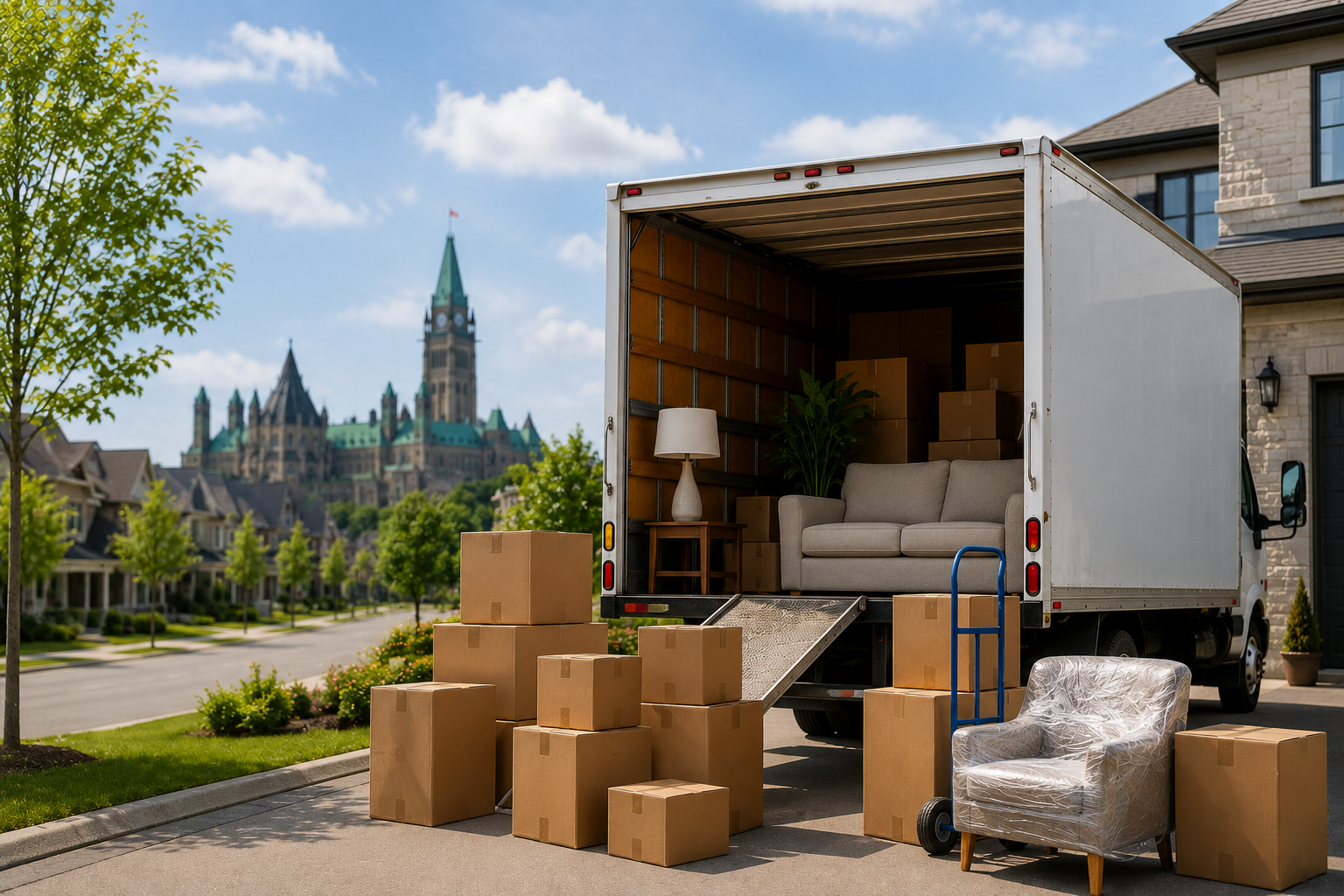
Chapter 10: Moving Into Your New Home
Moving can be stressful if it isn't properly planned.
Creating a moving checklist ahead of time can make the entire process much easier.
Before Moving
- Book a moving company.
- Purchase packing supplies.
- Pack and label boxes by room.
- Donate or dispose of unnecessary items.
- Notify important organizations of your new address.
After Moving
- Confirm that all utilities are working properly.
- Unpack the essentials first.
- Check all appliances.
- Get to know your neighbors and your new community.
- Create a regular home maintenance schedule.
Common Mistakes First-Time Homebuyers Make
Buying a home is exciting, but many first-time buyers make avoidable mistakes.
Buying Beyond Your Budget
Purchasing a home that's more expensive than you can comfortably afford can create financial stress for years to come.
Skipping the Home Inspection
A professional inspection may save you hundreds—or even thousands—of dollars in future repair costs.
Not Comparing Mortgage Options
Even a small difference in mortgage interest rates can save you thousands of dollars over the life of your loan.
Choosing a Home Without Researching the Neighborhood
A beautiful house may not be the right choice if the neighborhood doesn't meet your needs regarding schools, transportation, safety, or nearby amenities.
Focusing Only on Appearance
Fresh paint and stylish décor can make a home look impressive, but they don't necessarily reflect its overall condition.
Always evaluate the property's structural and mechanical systems—not just its appearance.
Frequently Asked Questions
Do I Need a Real Estate Agent to Buy a Home?
While hiring a real estate agent isn't legally required, working with an experienced professional can help you understand the market, negotiate effectively, and navigate the buying process with greater confidence.
Can I Buy a Home Without a Down Payment?
The answer depends on the financing programs available and your lender's requirements. In most cases, buyers are expected to provide a down payment in accordance with applicable regulations.
How Long Does the Home Buying Process Take?
The timeline varies depending on each transaction, but purchasing a home typically takes anywhere from several weeks to a few months—from the initial search to Closing Day.
Should I Have the Home Inspected?
Yes. A professional home inspection is highly recommended, as it can uncover hidden issues before you finalize your purchase.
Do I Need Home Insurance?
Most mortgage lenders require borrowers to obtain home insurance before the mortgage funds are released. Home insurance also provides valuable financial protection against unexpected damage or loss.
How Speeda Can Help
Buying a home is only the beginning of your homeownership journey. After receiving the keys, you'll likely need a variety of professional services.
With Speeda, you can easily connect with trusted service providers across Canadian cities—all in one place and without intermediaries.
Available services include:
- Real Estate Agents
- Mortgage Brokers
- Insurance Brokers
- Accounting & Financial Consulting
- Moving Companies
- Cleaning Services
- Electricians
- Plumbers
- Contractors
- Landscaping Services
- Home Maintenance & Renovation Professionals
Everything you need throughout your home-buying journey is available through a single platform, helping you save both time and effort.
Click here to contact professional service-providers
Conclusion
Buying a home is about more than owning a property—it's about building a secure future for yourself and your family.
The better prepared you are, and the more you understand each stage of the buying process, the more confident you'll be in making the right decisions.
Start by setting a realistic budget, seek advice from qualified professionals, and never hesitate to ask questions or compare your options before making a commitment.
Remember, choosing the right home isn't just about the price or location—it's about finding a property that supports your current lifestyle and your future goals.
If you're planning to buy a home in Canada, careful preparation and the guidance of experienced professionals at every stage can make the entire process smoother, less stressful, and far more rewarding.